



We build small workstations, one at a time.
Optimist has built them since 2023, for simulators, research labs, private AI and office teams.
See the lineup
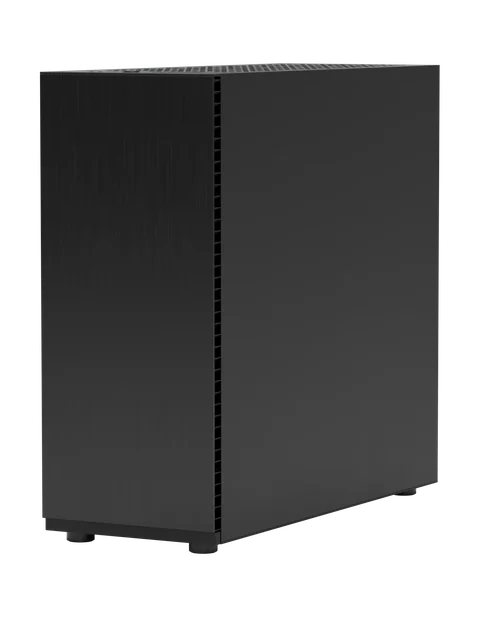
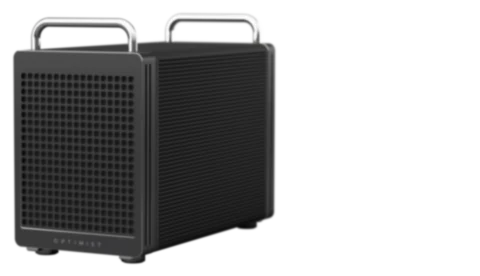
OP-S 2024
The first one shipped to a university lab.
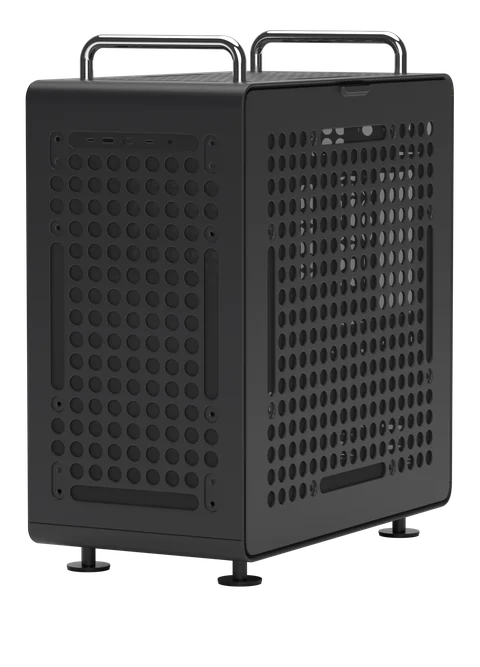
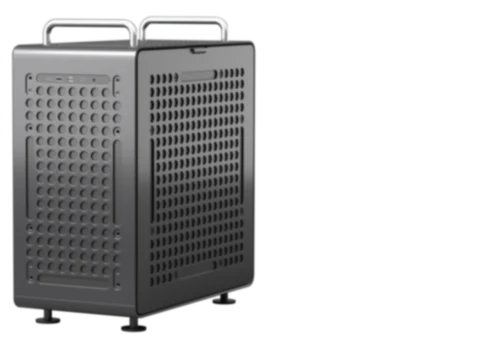
OP-X and OP-M 2025
Threadripper and water cooling.
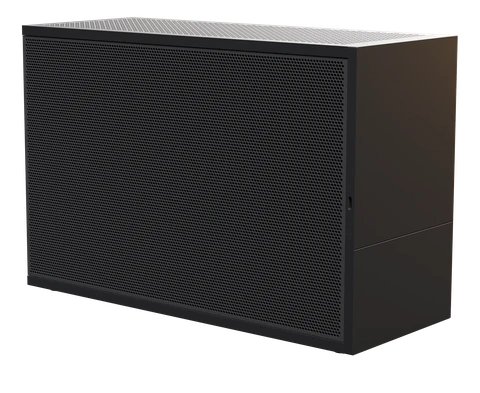
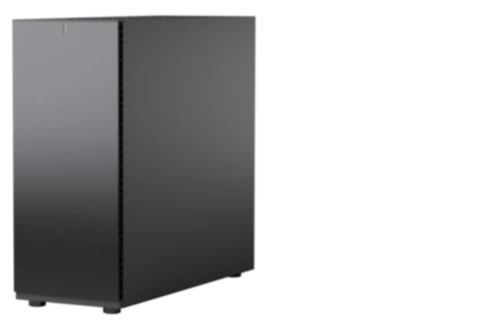
OP-A 2026Coming soon
In development.

Why we build them small
The rooms our computers go into are already full. A simulator bay holds a seat, its screens and an instructor. A lab bench holds the experiment, and a desk holds the person working at it.
A big, loud tower takes room and attention from all of that. So we put the same GPUs in a case that fits beside the screen or under the desk. We cool it so every GPU can run at full load in that space.
The result is an RTX PRO 6000 in the OP-S’s 9.9 liters, and two GPUs in the OP-A’s 10.5 when it ships. It is also one less thing in the room to think about.
How we measure size and power
How one is built and proven
Each system goes through the same four steps before it ships.
-
It gets a number
Each one gets its own serial number before the first part goes in. It keeps it for life.
-
Its parts are written down
We write down each part and the firmware it shipped with.
-
It runs for a day at full load
Each one runs for 24 hours with its GPUs and processor at full load before it ships.
-
You get its record
You see its parts list and its 24-hour test log in the fleet manager. Every test is written up, so you can repeat it. How we measure
If a system ever comes back, its record comes back with it. Warranty
A note from the founder
I started Optimist because two things bothered me. Computers were bigger than they had to be. And spec sheets made claims that nobody had measured.
We have also helped grant wishes with Make-A-Wish. Each of those computers was built and tested like every other one.
Ren ZhenFounder
Who runs them
Simulation



Research




Fleet manager
Every system we ship has its own page, with its parts, its tests and its repairs.
See how it worksA system page in the sample fleet: OPC-000024, a water-cooled OP-M with four RTX PRO 6000 Max-Q GPUs, in Lab 118.