




Fine-tune, evaluate and serve on the computer beside you.
For ML engineers who build on open models. The largest model you fine-tune decides the GPU memory you need.
Largest fine-tune, by build
Billions of parameters, each stored in 4 bits
QLoRA quantizes the model to 4 bits per parameter, so it needs the least memory. A 16-bit LoRA keeps half precision and needs two to four times as much. Each bar is the biggest model that fits the build’s GPU memory, at the least memory it needs. The figures are from Unsloth, a fine-tuning tool. A bigger batch or a longer context needs more.
What the bars mean
QLoRA quantizes the model to 4 bits per parameter, so it needs the least memory. A 16-bit LoRA keeps half precision and needs two to four times as much. Each bar is the biggest model that fits the build’s GPU memory, at the least memory it needs. The figures are from Unsloth, a fine-tuning tool. A bigger batch or a longer context needs more.
Source: Unsloth, “Unsloth Requirements”.

Recommended systems
-
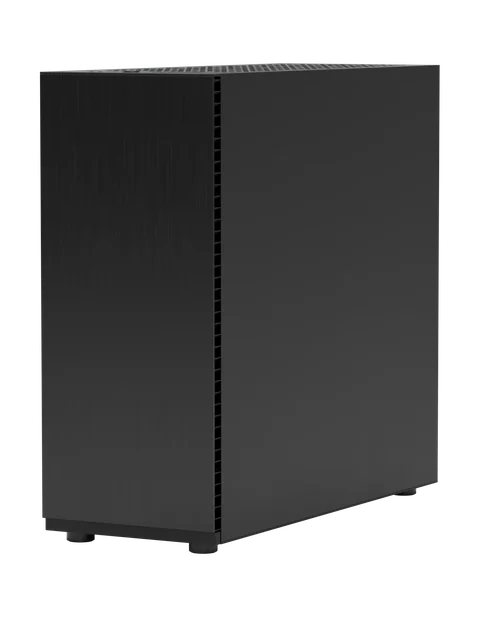
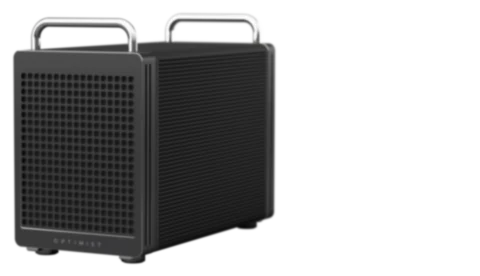
Number1 OP-S
For one engineer’s fine-tunes at the desk. Pick the RTX PRO 6000 over the RTX 5090 to fine-tune a 70B model with QLoRA, or a 32B model with a 16-bit LoRA.
- One RTX 5090 (32 GB) or an RTX PRO 6000 (96 GB)
- 9.9 L, air-cooled
- AMD Ryzen or Intel Core Ultra: up to 24 cores, 128 GB of memory, 16 TB of storage
- With one RTX 5090: $11,920
-
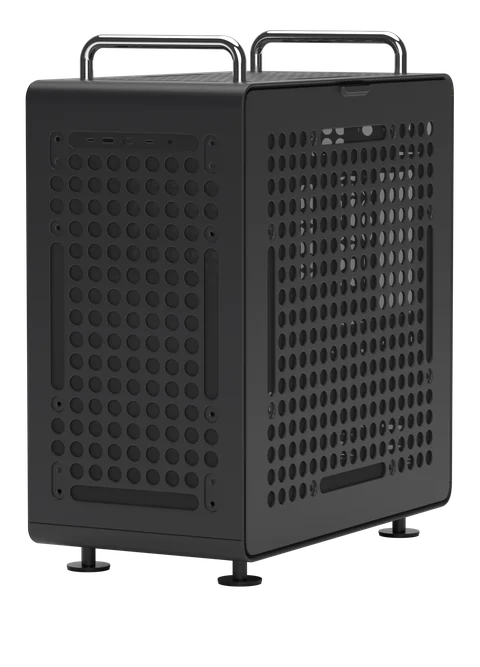
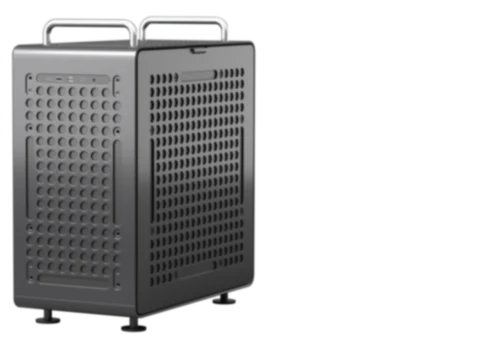
Number2 OP-M
For a team running several jobs at once. Start with one GPU and add up to four. Unsloth splits a model too big for one GPU across them.
- One to four RTX PRO 6000 GPUs, 96 GB each
- Water- or air-cooled
- AMD Threadripper: up to 64 cores, 512 GB of memory, 24 TB of storage
- With one RTX PRO 6000 Max‑Q, air‑cooled: $34,350
-
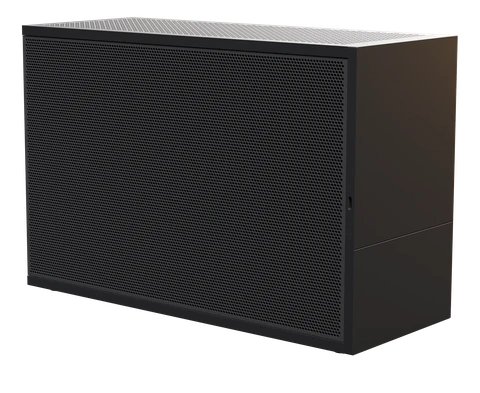
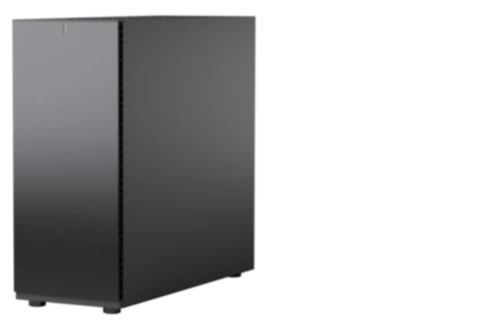
Number3 OP-A Coming soon
For one model split across two GPUs in a small box. Its two RTX PRO 6000s hold a 16-bit fine-tune of a 70B model, which needs 164 GB by Unsloth’s table.
- One or two RTX PRO 6000 GPUs, 96 GB each
- 10.5 L, water-cooled


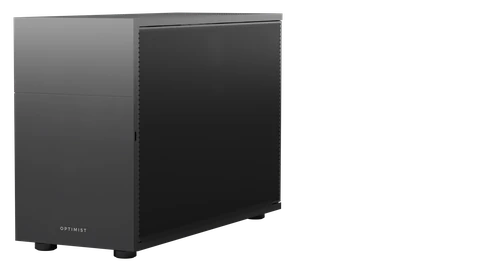
For more than four GPUs, see the OP-X

Fleet manager
Every system we ship has its own page, with its parts, its tests and its repairs.
See how it worksA system page in the sample fleet: OPC-000024, a water-cooled OP-M with four RTX PRO 6000 Max-Q GPUs, in Lab 118.