




Computers for training, flight and racing simulators.
They run simulators that train drivers, bridge crews, fire crews and people who drive heavy equipment. One small computer sits in each one.
Screens from one system
Move the slider to the number of screens or projectors in your simulator.
How we count: four outputs on each GPU, from NVIDIA’s datasheets, times the GPUs in the build. Frame rate depends on your scene, so this count says nothing about it.
How we test
Past 16 screens, the OP-X takes up to seven GPUs. By arithmetic, that is 7 × 4 = 28 outputs.
See the OP-XPast 16 screens, the OP-X takes up to seven GPUs. By arithmetic, that is 7 × 4 = 28 outputs.
See the OP-XHow we count: four outputs on each GPU, from NVIDIA’s datasheets, times the GPUs in the build. Frame rate depends on your scene, so this count says nothing about it.
What the count means
How we count: four outputs on each GPU, from NVIDIA’s datasheets, times the GPUs in the build. Frame rate depends on your scene, so this count says nothing about it.
The same build, kept
A training device is approved as it was built, so we keep your fleet on one named build. On a fleet plan, any change to a part comes with 90 days’ notice and our tests of the new part.
Fits the cabinet
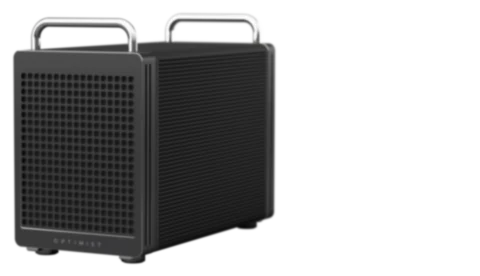
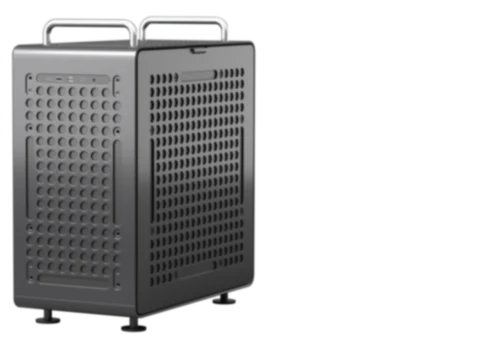
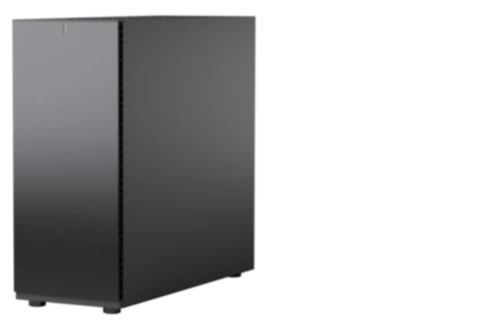
Our 9.9 and 10.5-liter systems fit in a simulator’s cabinet or desk. The bigger OP-M, for more screens, stands next to it.
Training simulators
Some firms that build simulators put our systems in the ones they sell.

Driving
A three-screen driving cab takes one OP-S: its RTX 5090 drives all three screens.
Flight
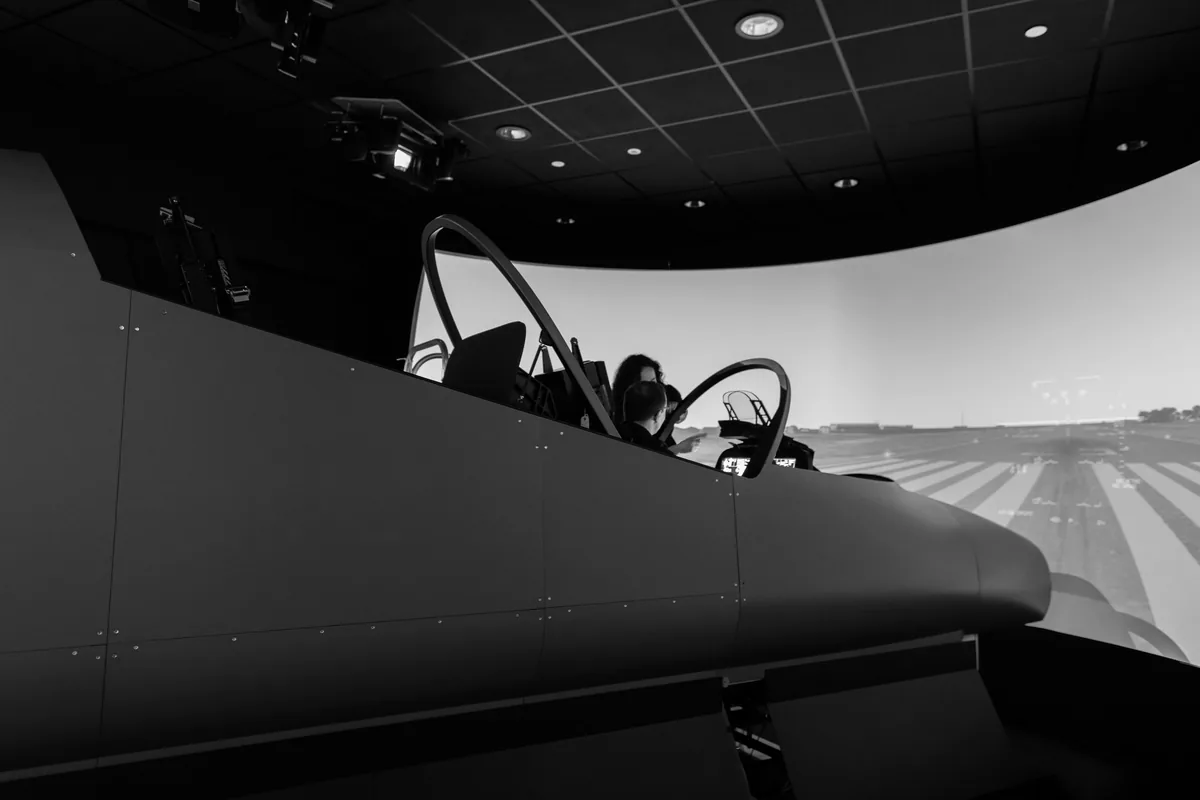
A cockpit with a view that wraps around it needs one OP-S for each projector. One OP-M can drive several.


Bridge, crane, excavator and air traffic simulators run on the same systems. We size each one by its screens.
Recommended systems
-
Number1 OP-S
For a fleet of training rigs, one in each. Its RTX 5090 drives up to four screens, and every rig in the fleet gets the same build.
- One RTX 5090 (32 GB) or an RTX PRO 6000 (96 GB)
- 9.9 L, air-cooled
- AMD Ryzen or Intel Core Ultra: up to 24 cores, 128 GB of memory, 16 TB of storage
- With one RTX 5090: $11,920
-
Number2 OP-M
For a simulator with more screens than one GPU drives. Each RTX PRO 4500 adds four outputs. The OP-M has slots for more GPUs as the simulator grows.
- One to three RTX PRO 4500 GPUs, 32 GB each
- Air-cooled
- AMD Threadripper: up to 64 cores, 512 GB of memory, 24 TB of storage
- With two RTX PRO 4500 GPUs, air‑cooled: $25,090
-
Number3 OP-A Coming soon
For several screens when only a cabinet can hold the computer. It takes two RTX PRO 6000 GPUs, with eight outputs in all. At 10.5 liters, it fits in the cabinet.
- One or two RTX PRO 6000 GPUs, 96 GB each
- 10.5 L, water-cooled


Fleet manager
Every system we ship has its own page, with its parts, its tests and its repairs.
See how it worksA system page in the sample fleet: OPC-000024, a water-cooled OP-M with four RTX PRO 6000 Max-Q GPUs, in Lab 118.